How are designers turning AI into a real, practical tool? At Creative Share Vol.31 – Designer_AI_Trial_and_Error.zip,
we found some answers. By openly sharing their experiments and lessons learned, the team uncovered meaningful insights into how AI can best be used in their field. In this article, five team members reflect on the event and the synergy they worked hard to create.
Maximum Impact: Limiting Presentations to 5 Minutes — Kim Daye (Event Lead)
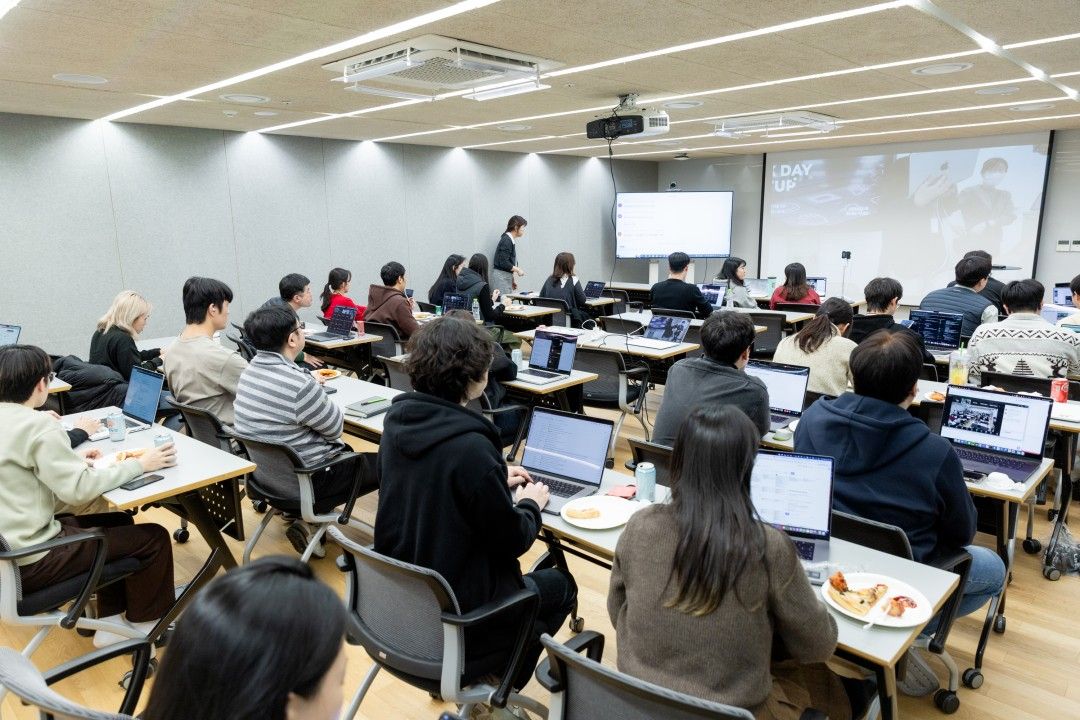
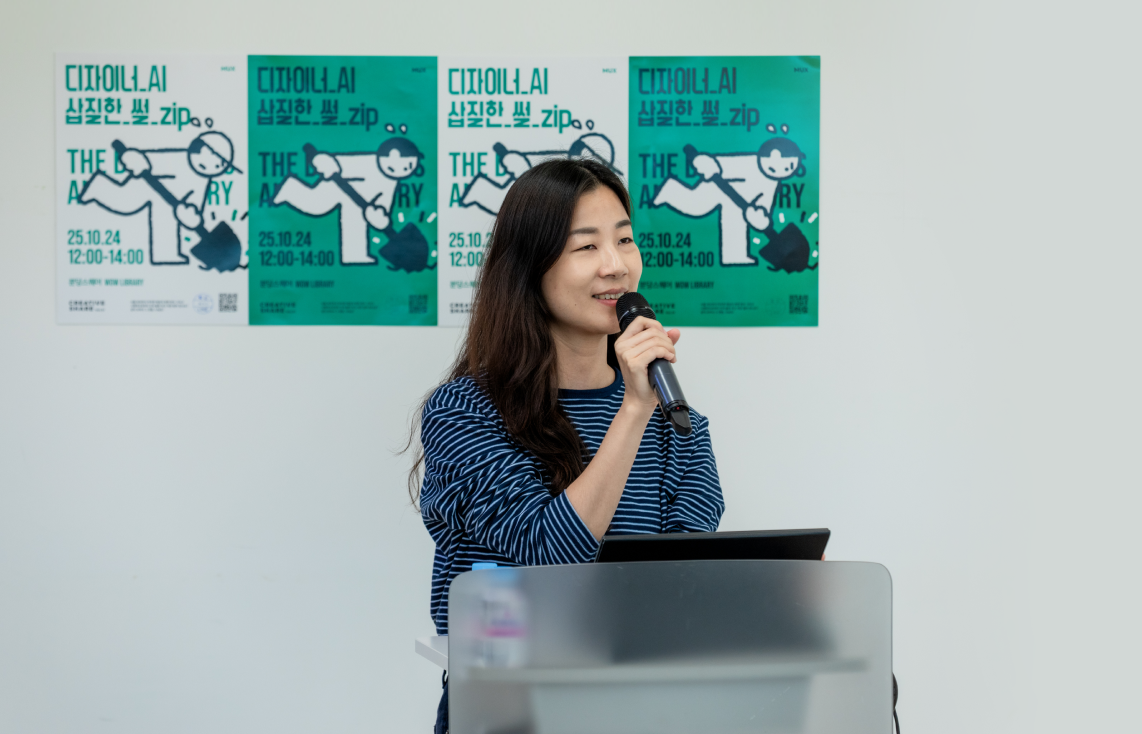
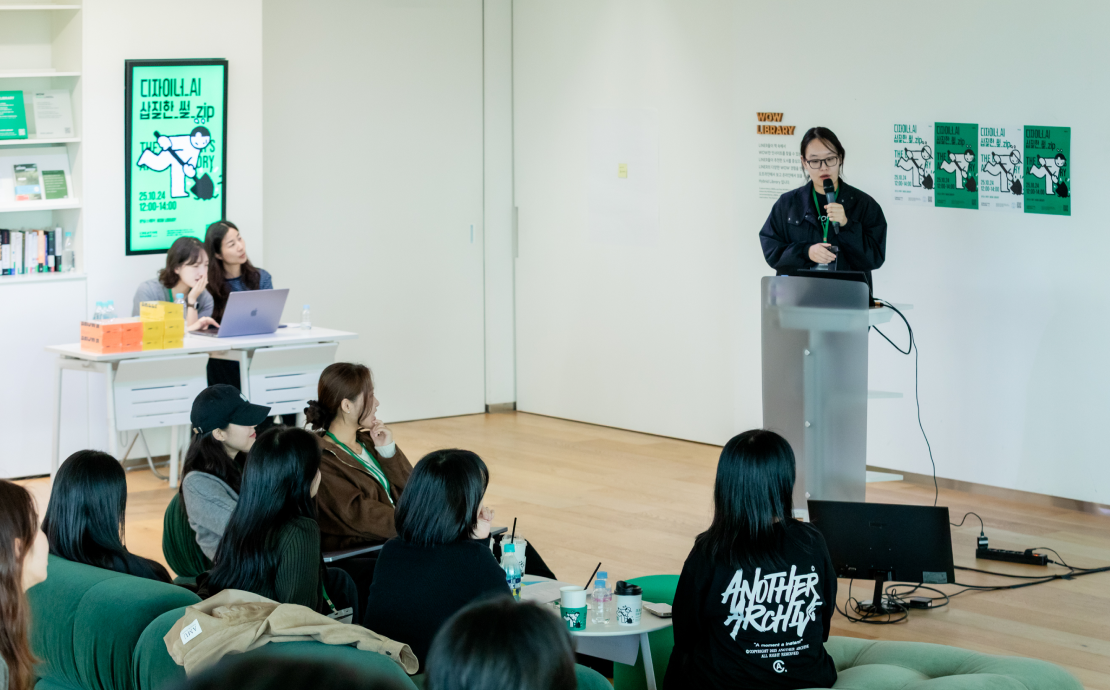
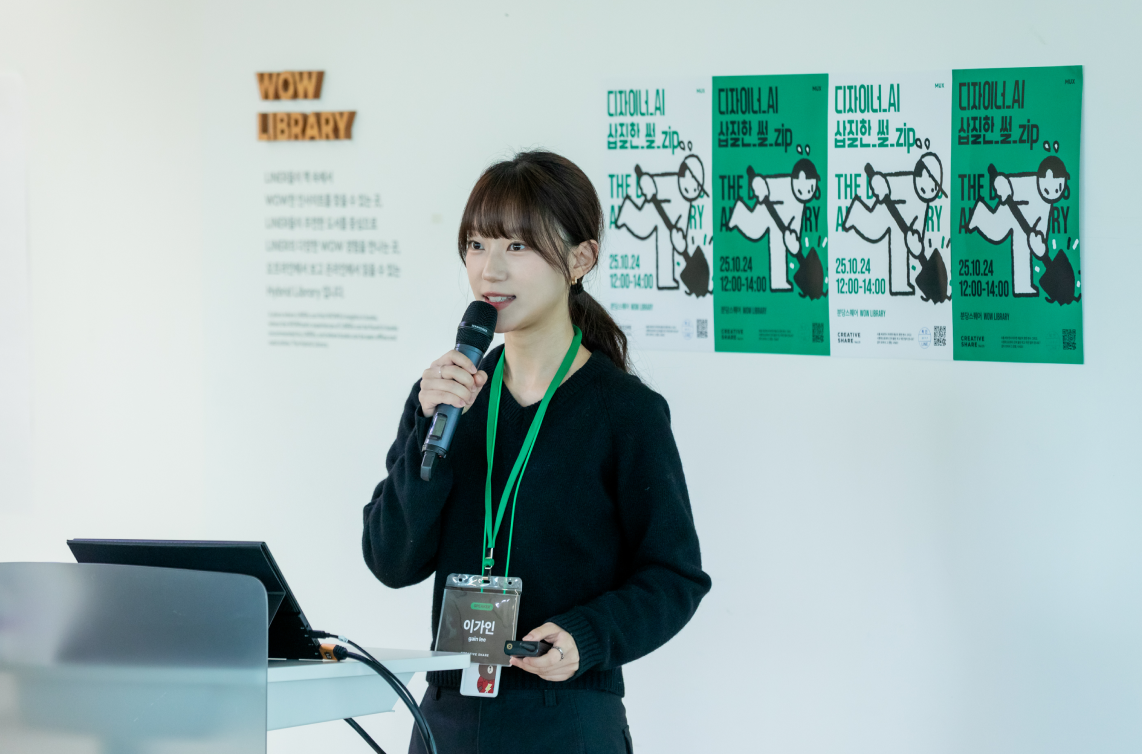
We wanted this Creative Share to be open to everyone in the company, not just designers. When registration filled up right away, it showed how much interest there is in learning more about the way designers work. To meet those expectations, we focused on sharing stories only designers could tell—especially practical tips about the AI tools we use and how we use them. Unlike previous sessions, this time we introduced the “Ignite” format: 20 slides, 5 minutes. The point is to be short and impactful, without dragging on—but also memorable.
During rehearsal, we worried that five minutes might feel too short. But that sense of “not enough” actually sparked more conversations after the event. Many people said they liked getting practical tips in a short, low-pressure way. It was truly rewarding to see talented LINERs share their stories and inspire one another.
Designers Using AI as a “Work Partner” — Kim Jinsun (Speaker Curator)
In the AI era, I see designers as more than visual creators. They’re closer to ‘product makers’ who connect planning and development. Instead of aiming for a perfect answer from the start, they build their own strengths by quickly testing ideas, creating, and refining in a fast loop. And I believe the fuel for that loop is trial and error. That’s why I looked for designers who were willing to openly share their experiments—even the messy ones—with a smile. I reached out not only in Korea, but also to global design teams in Japan, Thailand, and Taiwan. I really wanted to show how boldly these designers are experimenting.
At first, I wondered if everyone was truly using AI well. AI still struggles to meet the “perfect quality” LINE Design expects, and many designers prefer to speak through results rather than words. But once we got started, I was impressed. From organizing meeting notes to prototyping and research, they were already using AI as a real work partner. It made me realize that what designers want from AI isn’t “Do everything for me,” but rather, “Help me bring my ideas to life—faster and more flexibly.” What's this supposed to be? Bold? Italics? Of course, we shouldn't be using actual asterisks in the text.
Why We Used the Term “Trial and Error” in the Event Title — Noh Yuri (Event Planning & Promotion)
When it comes to AI, almost no one uses the output exactly as it is. People usually fall into two groups: “Should I try one more time?” or “I’ll do it later.” We all know that in the AI era, survival means just trying it—but that’s easier said than done. I planned this event for people like me, who tend to put things off when there’s no clear answer. Instead of focusing on “perfect mastery,” we focused on having the courage to try—even if it means failing.
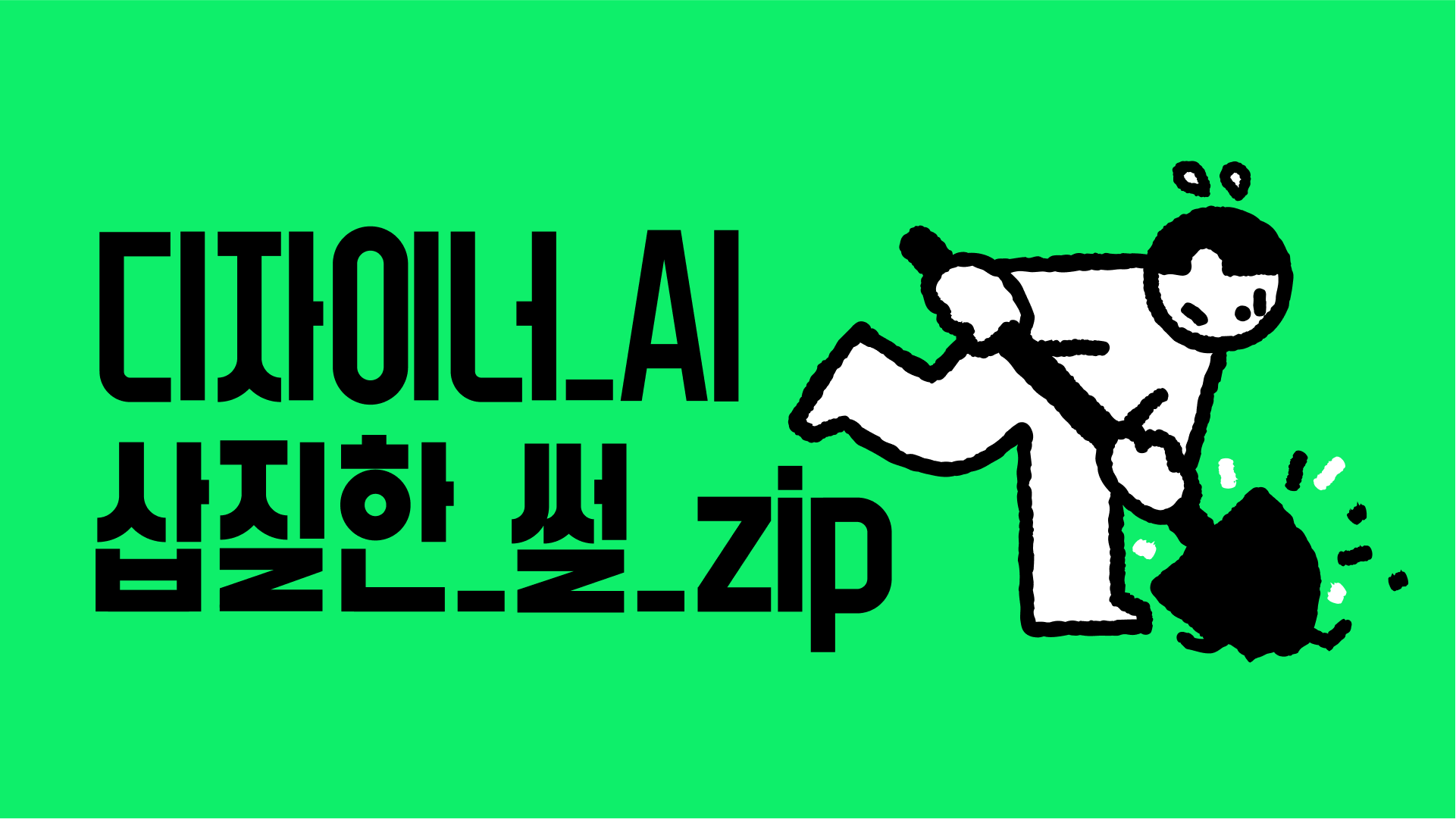
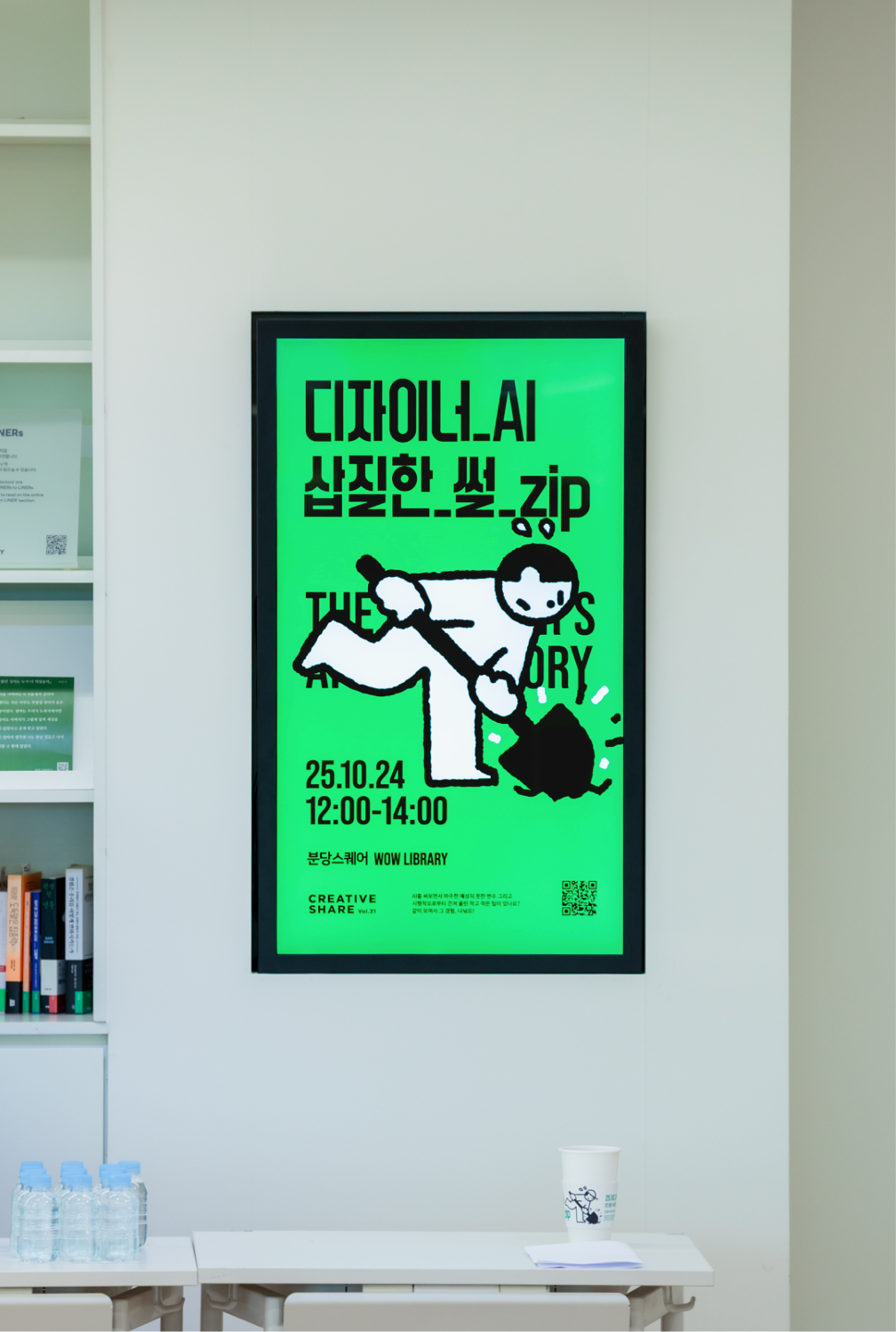
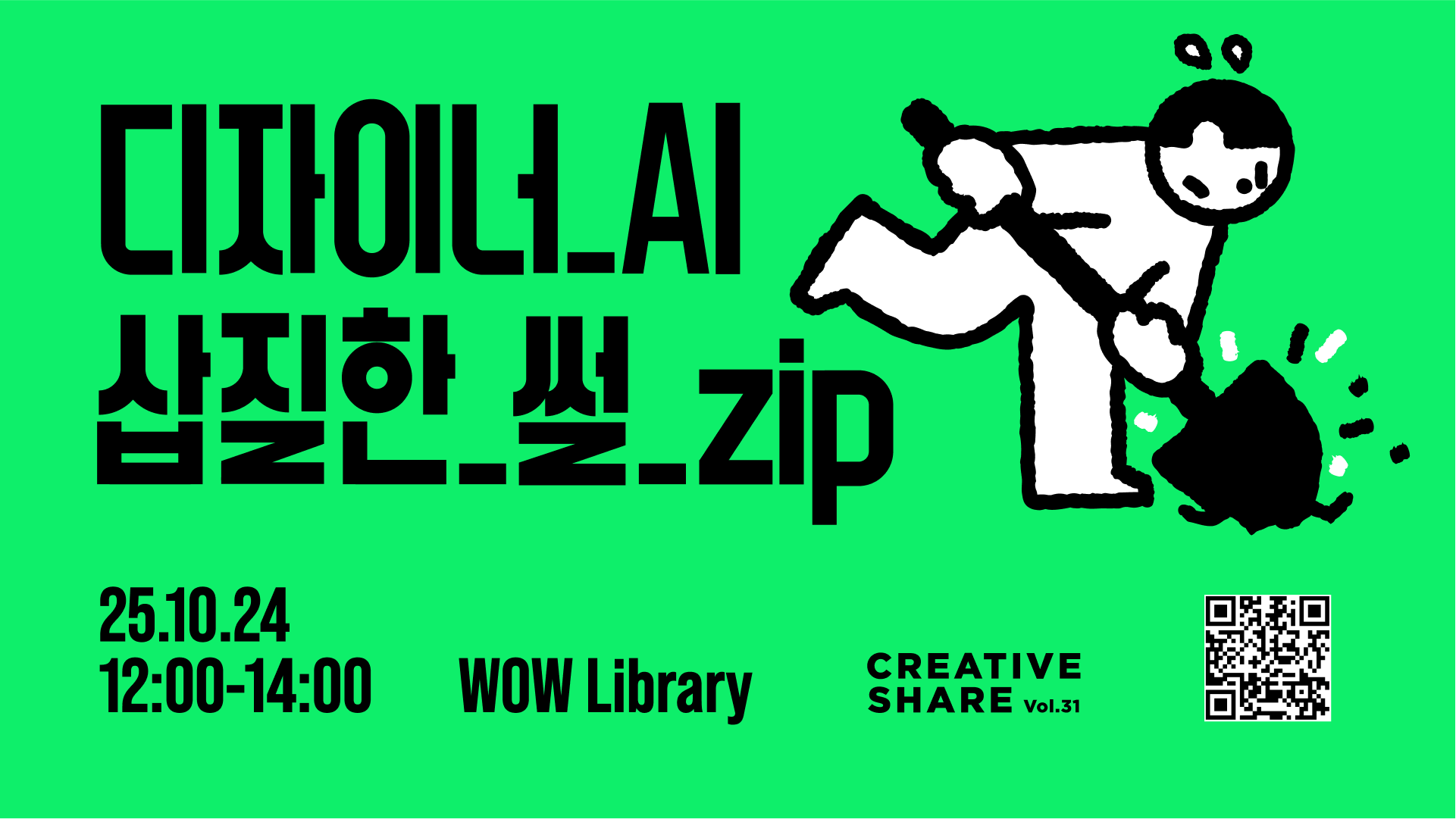
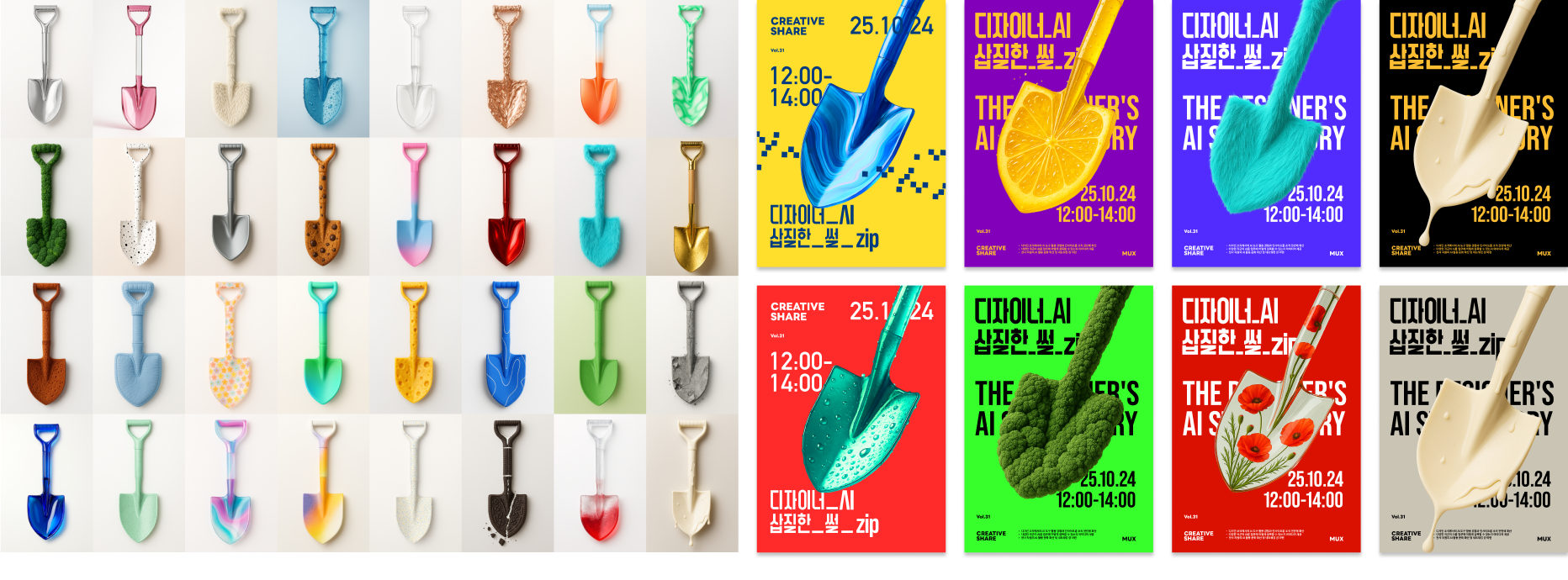
The tone of the event was playful and approachable, from the title to the merchandise. Our graphic designer, Sojeong, created a cute character sweating and struggling—something anyone who has used AI can relate to. It made the whole event feel more friendly and fun. We even generated various shovel-themed images using AI for the key visual. Although they weren’t chosen in the end, Sojeong shared that fun experiment during her presentation as well.
Designers from Korea, Japan, Thailand, and Taiwan in One Place — Jeon Eugene (Interpretation & Catering)
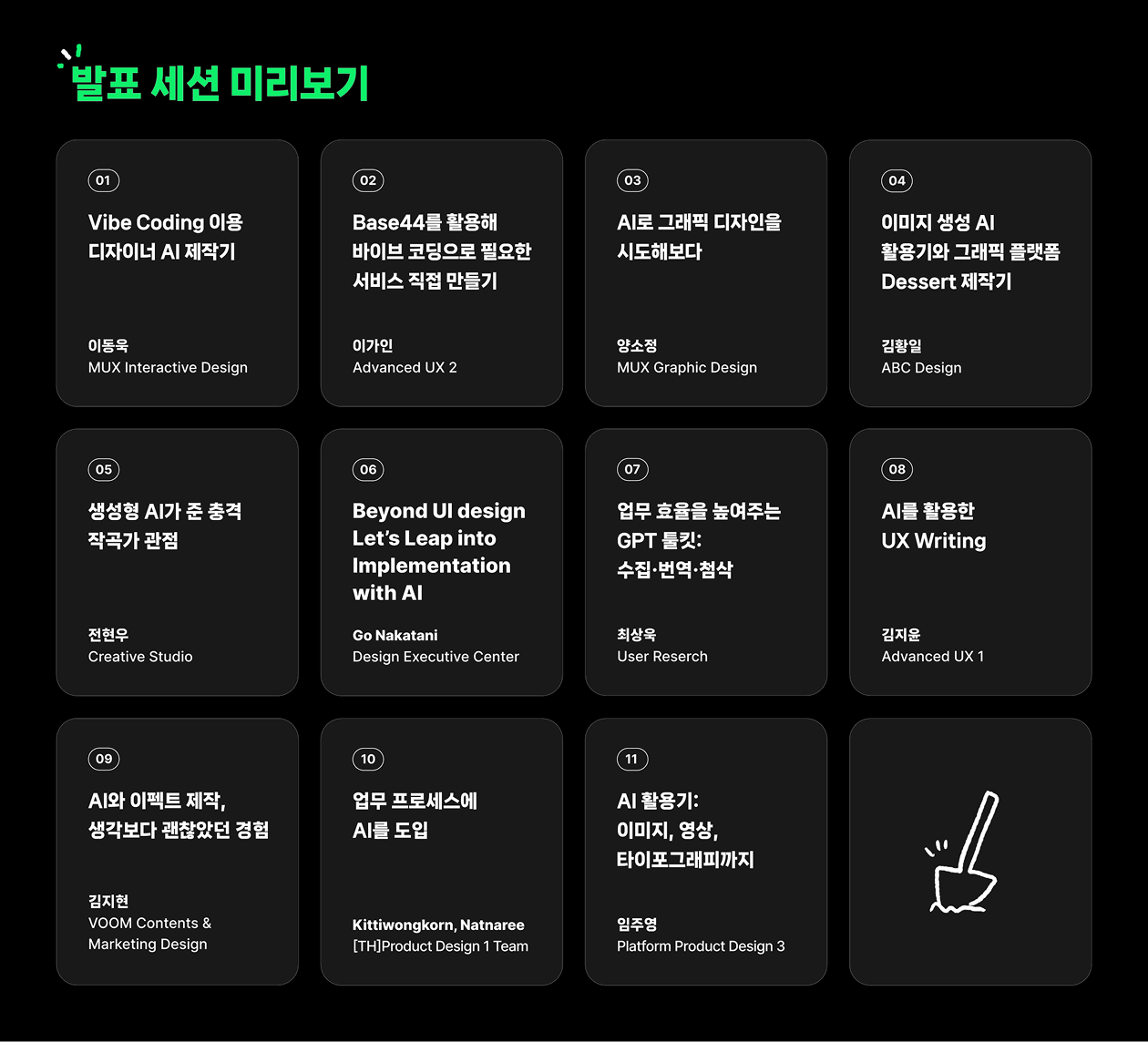
With members from Korea, Japan, and English-speaking teams all in one place, smooth communication was our top priority. Since “using AI in design” can be a technical topic, we shared materials with the interpreters in advance and prepared closely together. Thanks to that, the global speakers’ presentations were delivered clearly and seamlessly. Having teams from different countries truly enriched the content, quality, and overall atmosphere. Personally, I was especially impressed by Nakatani’s “Beyond UI Design” and Natnaree’s “AI as an Instant Design Review Buddy.” Their creative experiments really stood out.
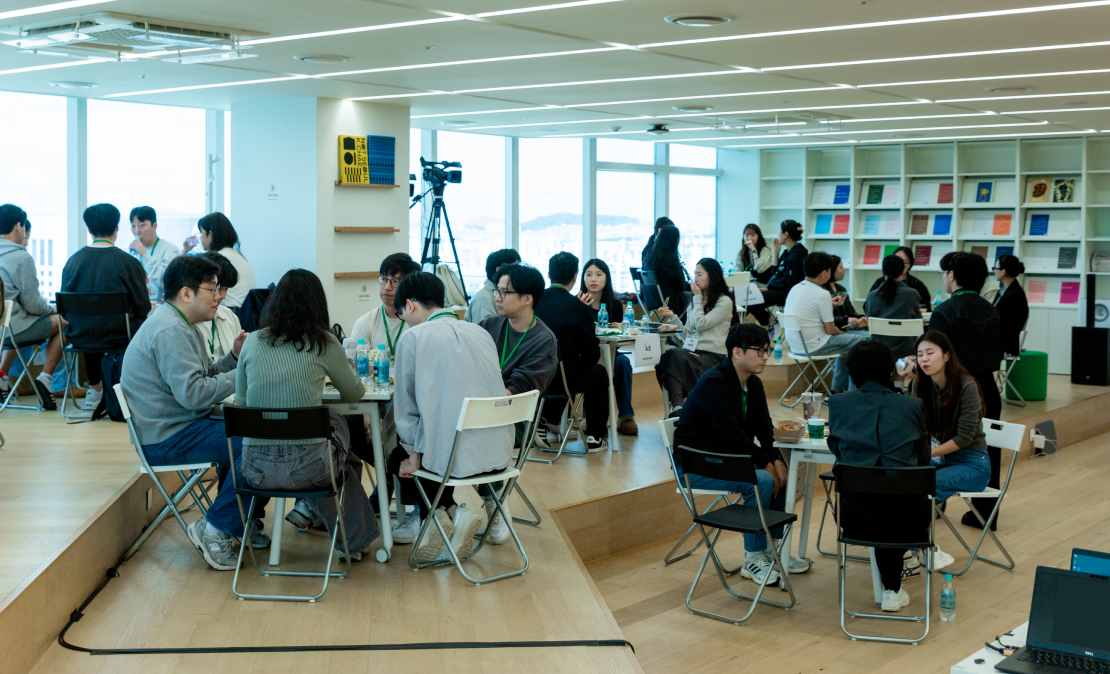
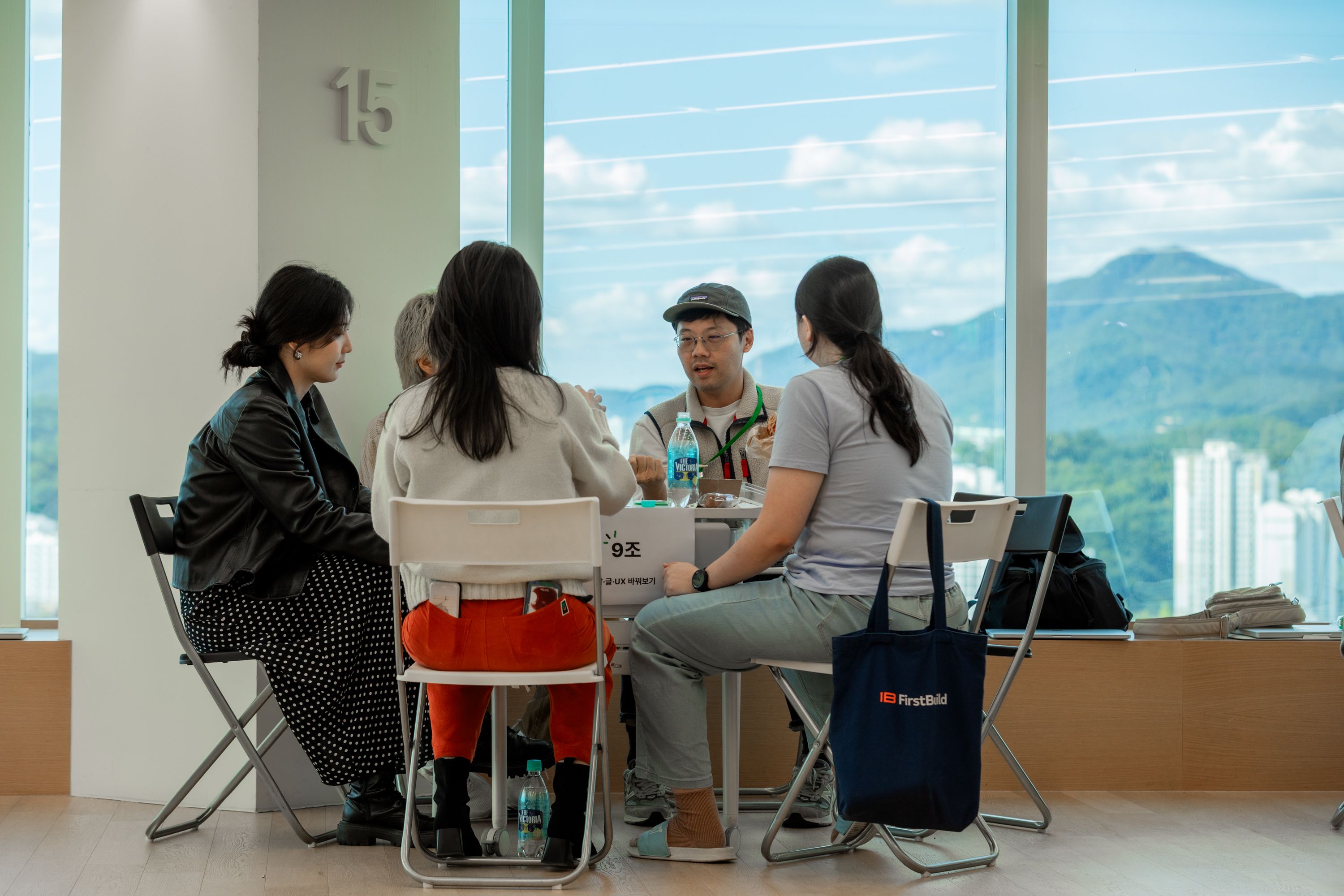
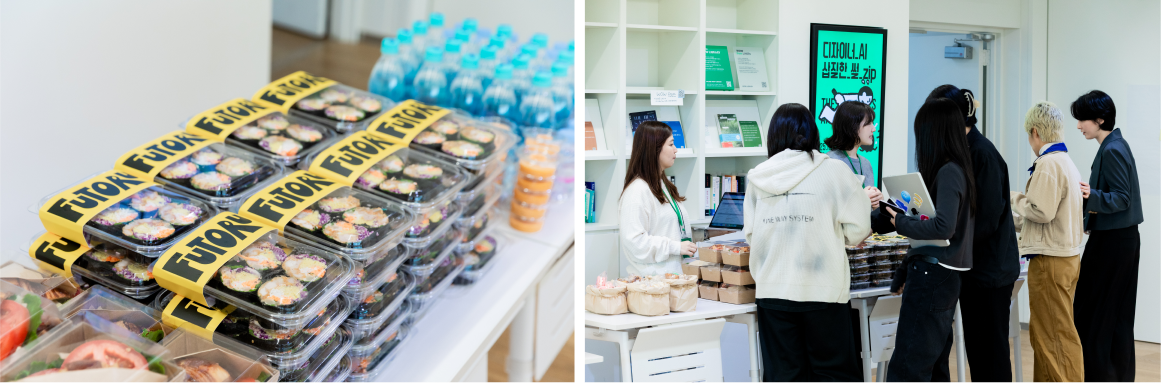
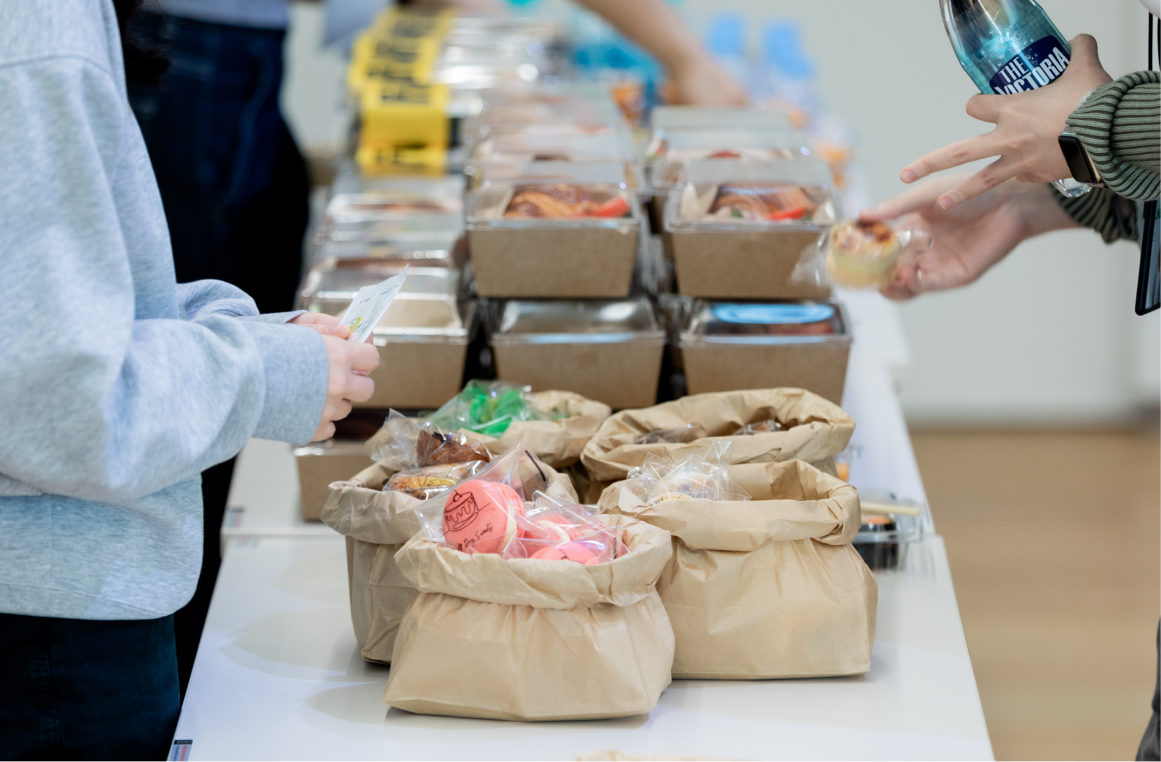
I also remember the networking session before the presentations. At first, I worried it might feel awkward, but everyone naturally began sharing their own trial-and-error stories, and the room quickly warmed up. As a design event, we also prepared catering that was a treat for both the eyes and the taste buds. When people said, “It’s so hard to choose just one!” it made all the effort worthwhile.
After the Event — Nam Sangeun (Streaming & Retrospective Meeting)
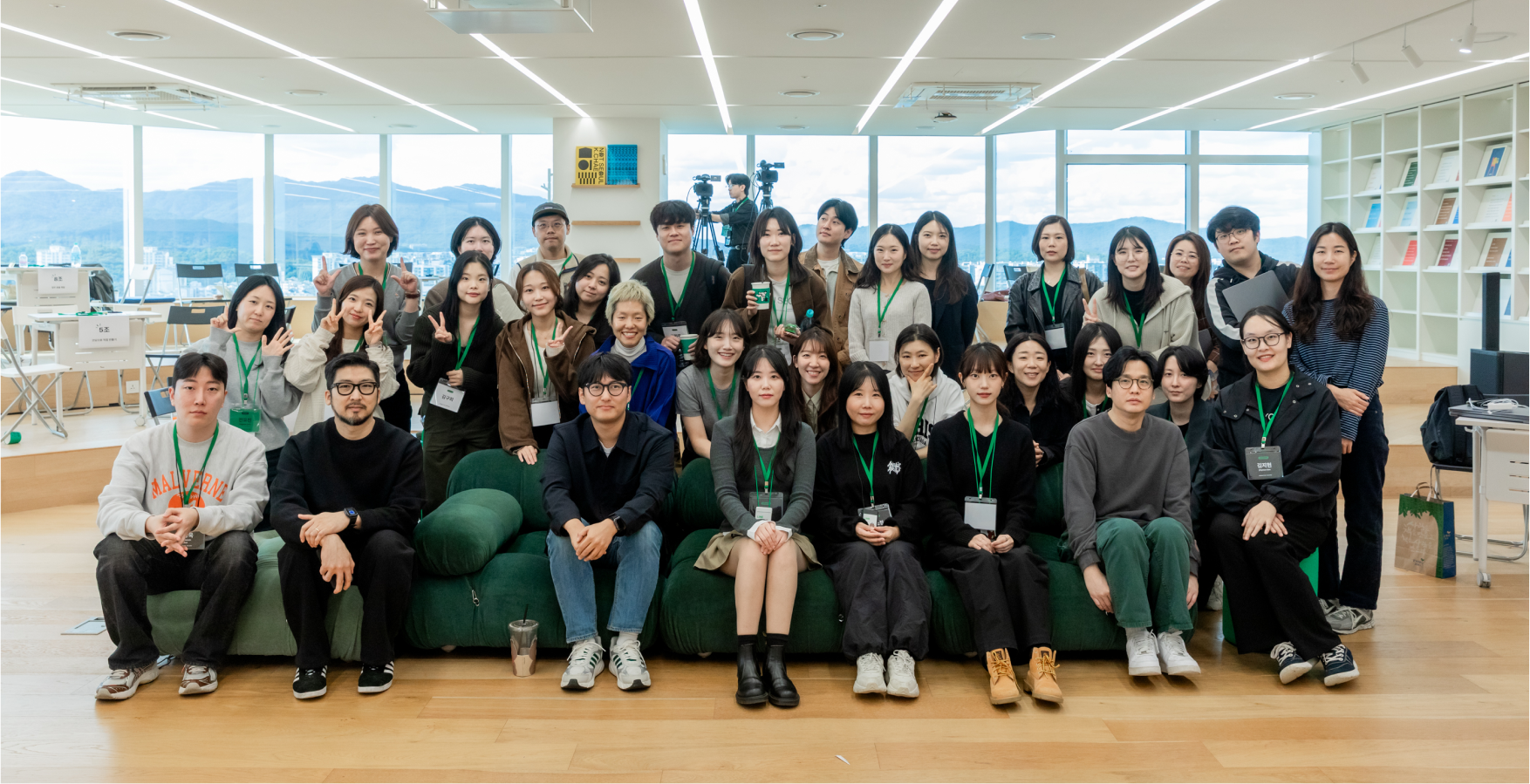
After every project, we hold a retrospective meeting. It’s a time to keep what worked well and find ways to improve what didn’t. Since this event was streamed live online and offline for a global audience, we faced a few unexpected issues. Still, everyone agreed that the most impressive part was the teamwork—each person handled challenges calmly and flexibly in their own role. It naturally led to conversations about how much we relied on and trusted one another.
Of course, we also found areas to improve, such as differences in presentation formats. By openly discussing these challenges and sharing ideas for improvement, we built a stronger foundation for the next event. We walked away with confidence that we’ll do even better next time (laugh).
We’ll be back soon with an even more engaging and enjoyable Creative Share. Stay tuned!
※ The information in this content applies only to certain corporations, and may differ for other corporations.